


If you’re dreaming about a European adventure but dreading the logistics, here’s the good news: traveling Europe by train is one of the easiest, most comfortable, and surprisingly enjoyable ways to explore multiple destinations—without the stress.
From high-speed connections between major cities to scenic regional routes, Europe’s rail system is built for travelers. The key is knowing how to use it strategically so your trip feels seamless instead of overwhelming.
Why Train Travel in Europe Is So Easy
One of the biggest advantages of train travel in Europe is how effortlessly it connects city centers. Unlike flying, which requires airport transfers, early arrivals, and long security lines, trains typically depart and arrive right in the heart of each destination.
That means you can step off the train and start exploring immediately—no extra logistics required.
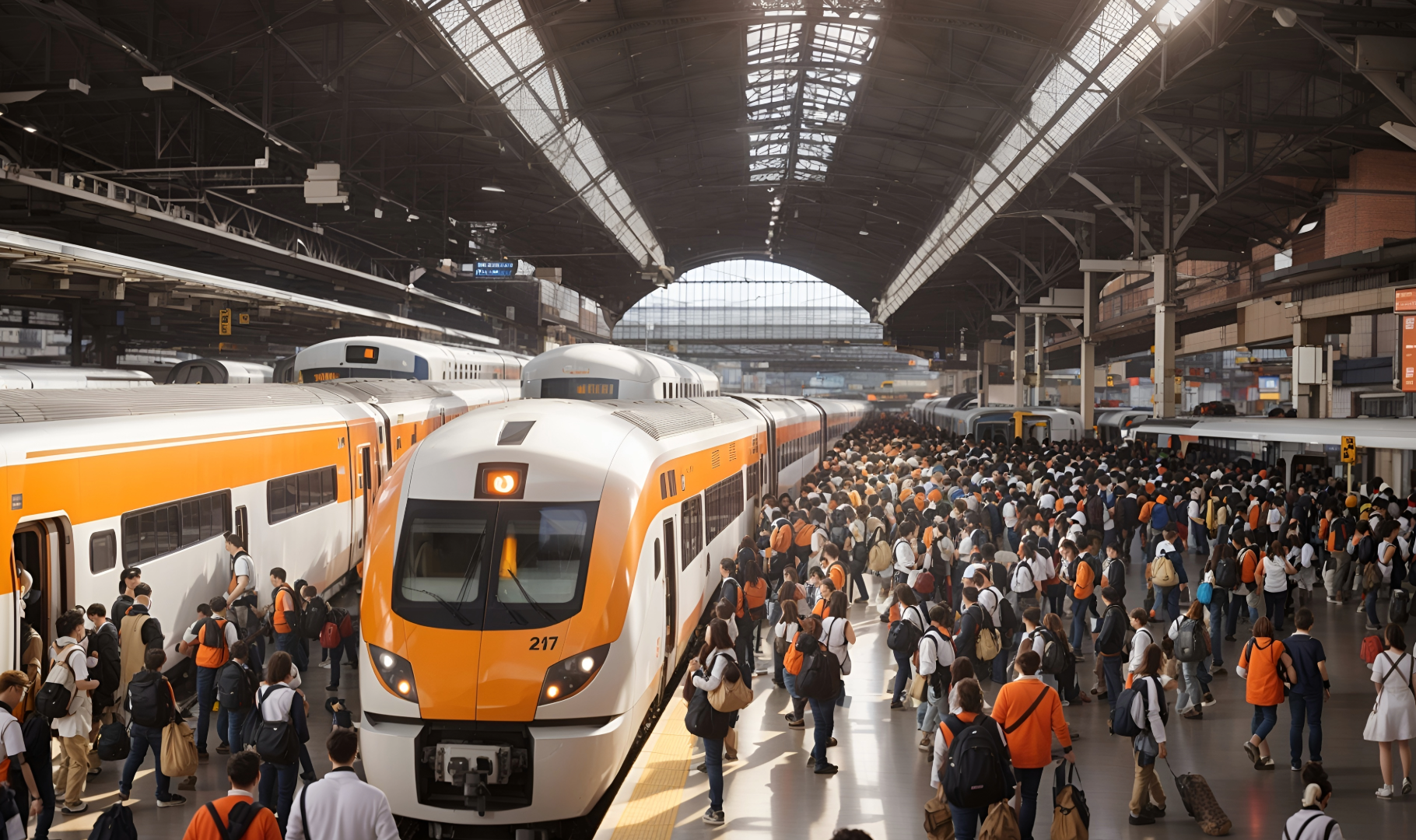
High-speed trains make this even more appealing. Routes like Rome to Florence or Paris to Amsterdam are often faster by train when you factor in total travel time. Add in comfortable seating, more legroom, and the ability to move around freely, and it’s easy to see why so many travelers prefer rail.
Do You Need a Car in Europe?
In most cases, no—and skipping the rental car can make your trip significantly less stressful.
Driving in Europe may sound romantic, but in reality it often involves narrow streets, limited parking, unfamiliar road rules, and expensive tolls or fuel. Automatic cars are less common, and driving between countries can come with additional fees and paperwork.
Trains eliminate all of that. You can relax, enjoy the scenery, and arrive in the center of each city without worrying about navigation or parking.
There are exceptions, of course—rural areas or destinations like parts of Tuscany or the South of France may warrant a car—but for most multi-city itineraries, trains are the better choice.
What to Know About Train Tickets
Understanding ticket types is one of the easiest ways to reduce stress before your trip.
Most European trains offer:
- First class vs. second class: First class typically provides more space, quieter cabins, and sometimes added perks like at-seat service. Second class is still very comfortable and a great option for most travelers.
- Reserved vs. open seating: High-speed and long-distance routes usually require seat reservations, while regional trains may allow more flexibility.
- Flexible vs. non-refundable tickets: Lower-cost tickets often come with restrictions, while flexible fares allow changes if your plans shift.
Booking in advance can secure better pricing and preferred seating, especially for popular routes.
Luggage on European Trains
One of the most common concerns about train travel in Europe is luggage—but it’s far simpler than flying.
There’s no baggage check, no waiting at a carousel, and no worrying about lost luggage. You bring your suitcase directly onto the train and store it in designated racks or overhead compartments.
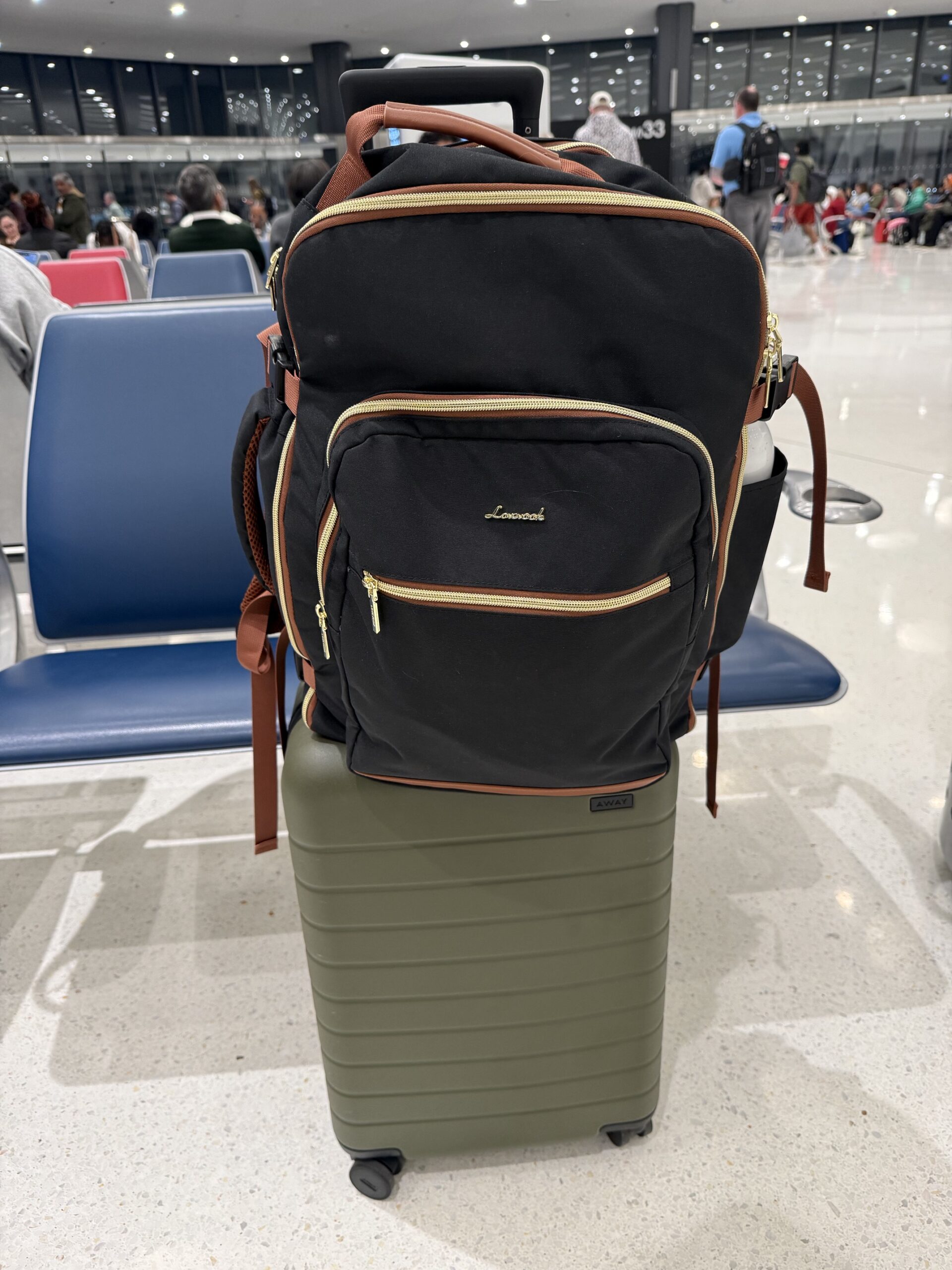
That said, packing smart matters. You’ll be responsible for handling your own bags, including lifting them onto racks and navigating platforms. A streamlined suitcase and a manageable carry-on make the experience much more enjoyable.
Planning a Seamless Route
The biggest mistake travelers make when planning European train travel is trying to do too much, too quickly.
Trains make it easy to move between cities, but that doesn’t mean you should pack your itinerary with constant transitions. The goal is to create a route that flows naturally, minimizes backtracking, and allows time to actually enjoy each destination.
For example:
- Rome → Florence → Venice is a classic, efficient route in Italy
- Amsterdam → Paris → London connects three major cities with minimal travel time
Spacing out travel days and building in downtime between cities makes a noticeable difference in how your trip feels.
What the Experience Is Really Like
Train travel in Europe isn’t just about getting from point A to point B—it’s part of the experience.
You can settle into your seat with a coffee, watch the countryside roll by, and actually enjoy the journey. Many trains offer WiFi, power outlets, and onboard food options, making it easy to stay comfortable along the way.
For families, it’s often a more relaxed alternative to flying. Kids can move around, there’s no strict seatbelt requirement during the journey, and the overall experience feels less restrictive.
For couples or solo travelers, it adds a layer of ease and spontaneity that’s hard to replicate with other forms of transportation.
Tips to Make European Train Travel Stress-Free
A few simple strategies can make all the difference:
- Book high-speed and popular routes in advance
- Choose seats strategically (window vs. aisle, quiet car vs. family-friendly)
- Travel with manageable luggage
- Allow buffer time between connections
- Keep tickets easily accessible (digital or printed, depending on the route)
Most importantly, don’t overcomplicate it. Europe’s rail system is designed to be user-friendly, even for first-time visitors.
The Bottom Line
Traveling Europe by train is one of the most efficient and enjoyable ways to explore multiple destinations—without the stress that often comes with flights or rental cars.
With the right planning, it becomes a seamless part of your trip rather than a logistical headache. You’ll spend less time worrying about how to get from place to place and more time actually experiencing each destination.
If you want a European itinerary that flows effortlessly, balances travel days with meaningful time on the ground, and matches your travel style from start to finish, working with an expert can make all the difference.
Because the best trips don’t just look good on paper—they feel easy while you’re living them.